

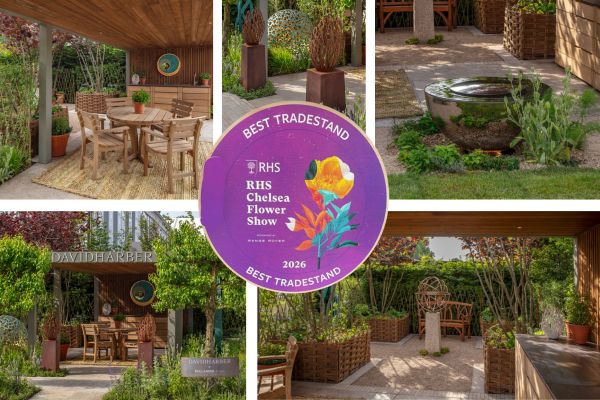
A David Harber x Hollander Design Collaboration
Each May, the grounds of London’s Royal Hospital Chelsea become a temporary world stage for horticulture, drawing 150,000 visitors over five days, from garden enthusiasts and designers to press, tastemakers, and members of the Royal Family. Held annually for 100+ years, the RHS Chelsea Flower Show sets global trends, showcases new flora, and invites garden experts to compete for prestigious medals.
This year, the garden stand we designed in collaboration with David Harber was selected from more than 200 judged stands to win ‘Best Tradestand’, an honor we share with the entire Harber team and our outstanding sponsors. To win, each stand competes not only as a retail environment, but as a fully realized horticultural and design experience.
As designers, our challenge was to create a 20×30′ garden space in which David Harber’s sculpture felt inevitable, natural, and uncrowded. Part garden, part gallery, part brand expression; every plant, path, material, and object required careful consideration.
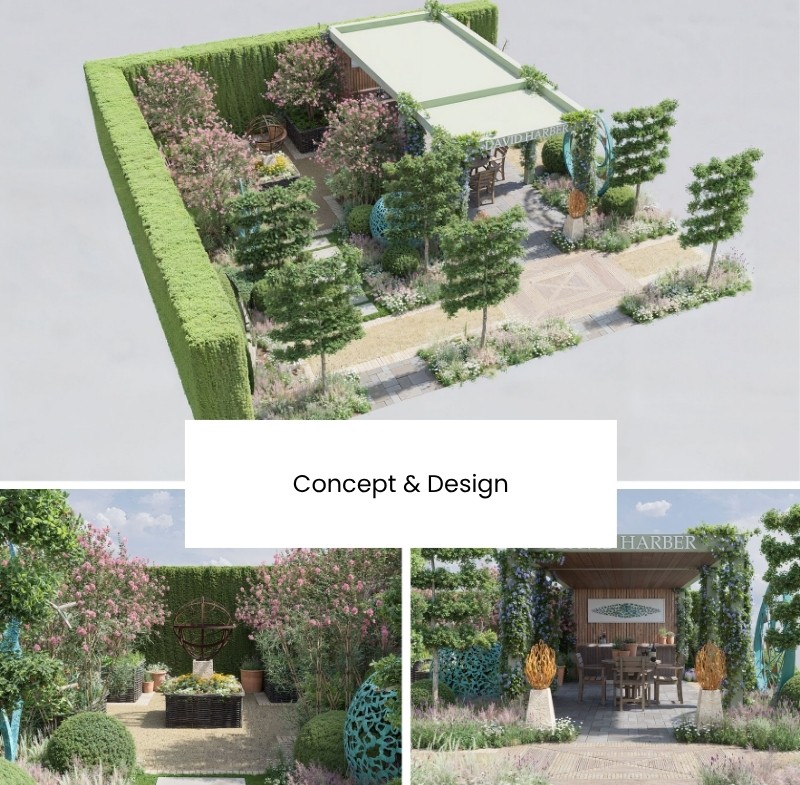
Inspired by David Harber’s sculptures and the fading traditions of skilled handwork, the garden placed contemporary artistry in conversation with a working heritage garden. Classical forms, metalwork, willow weaving, coppicing, vegetable cultivation, and masonry came together as expressions of craft, care, and continuity. The result was a garden of productivity and contemplation, where sculpture deepened the experience of nature, beauty, and the enduring value of cultural tradition.
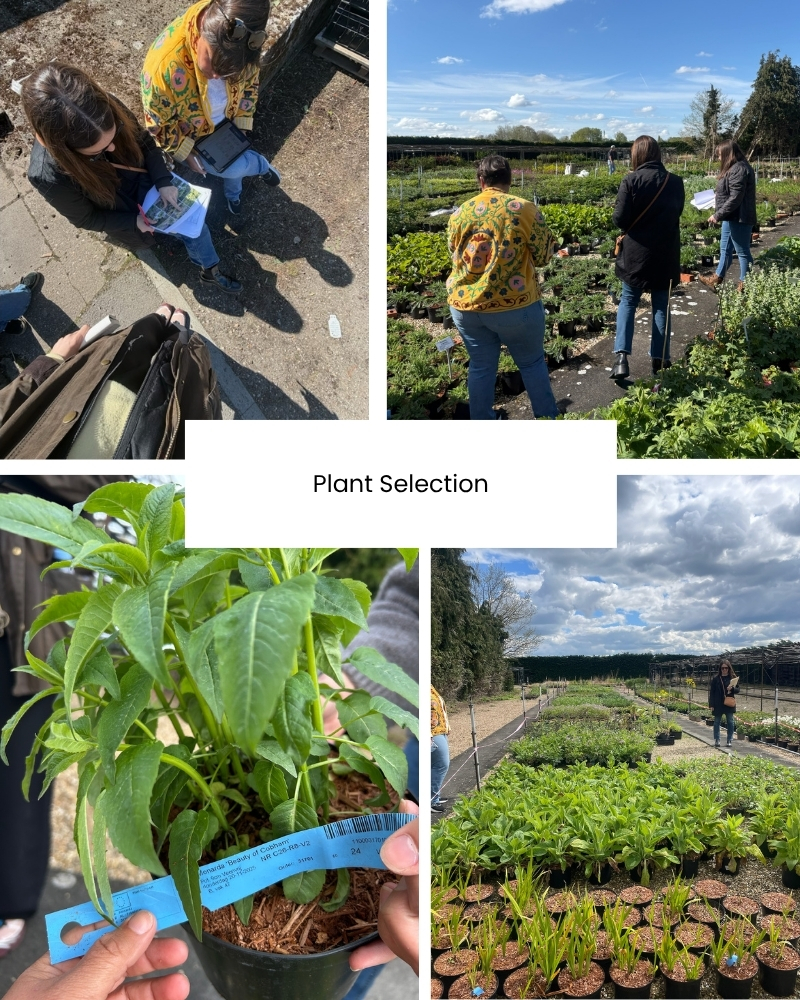
Though gardens at Chelsea are planned over months or even years, installation happens in just 3 weeks, including selecting each and every plant that will go into the garden. That is the invisible part of Chelsea’s magic: a garden must appear established, inevitable, and alive from the moment the gates open, even though it has been assembled in a matter of weeks and will exist for only five days.
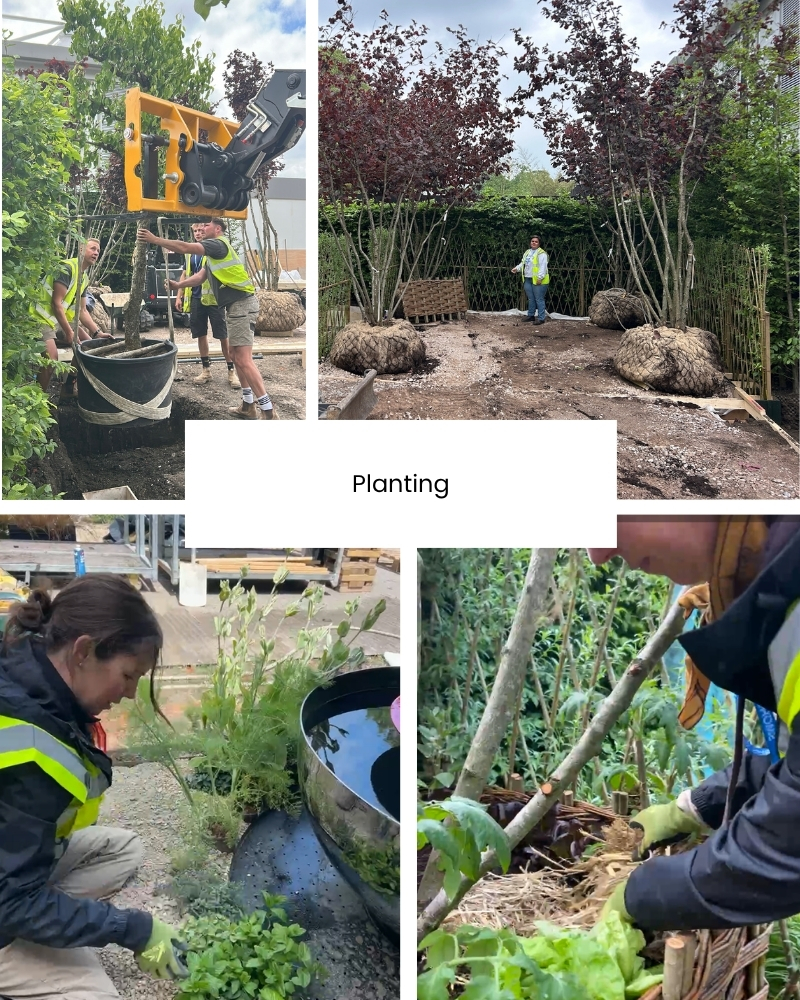
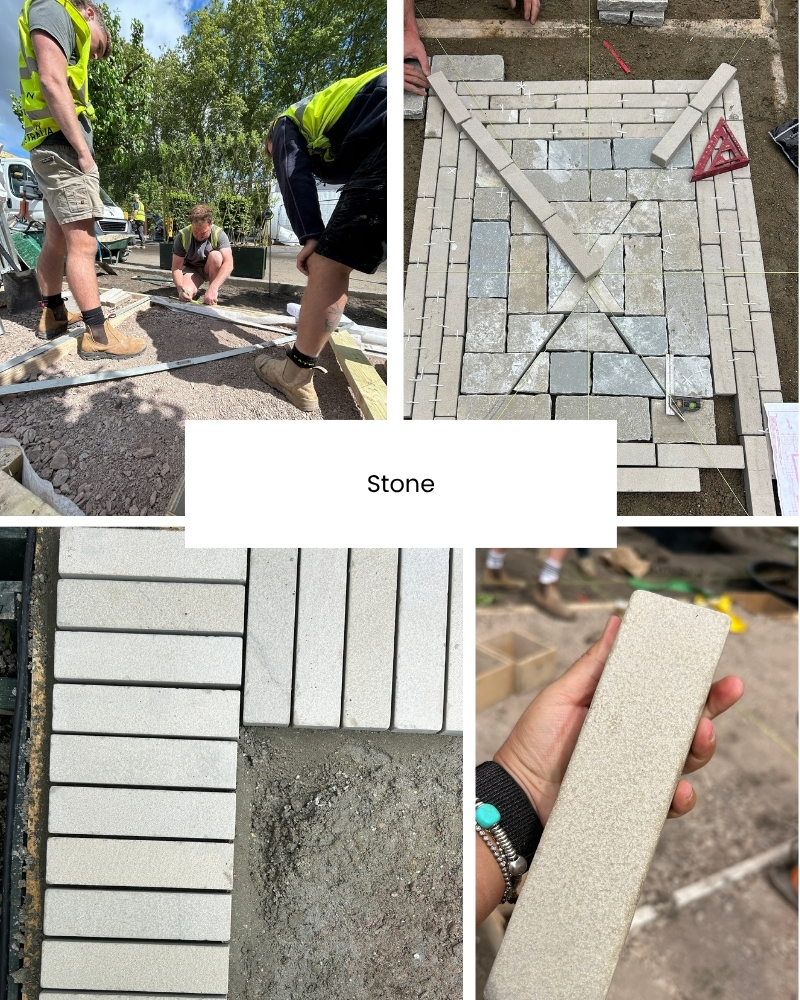
We worked closely with craftspeople specializing in heritage garden disciplines like willow weaving, tree coppicing, skilled masonry, and vegetable gardening to create authentic elements throughout the garden, highlighting practices that are valued not only for their cultural and ecological significance, but also for the slower, more intentional way of life they represent that aligns beautifully with the ethos behind David Harber’s work.
By integrating sculpture into a working garden, we highlighted its timeless versatility and encouraged a broader vision of the garden as a place not only of productivity, but also of reflection, creativity, and beauty.
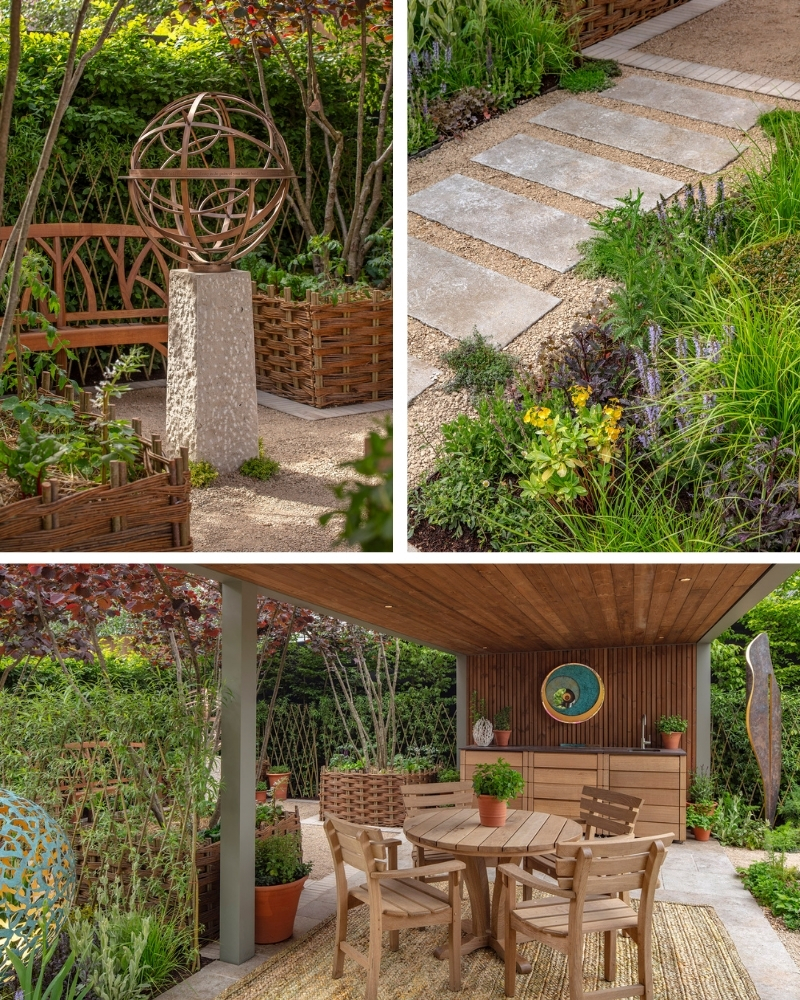
The stand was made possible through the generosity and skill of an extraordinary group of collaborators and sponsors. Without their contributions – from materials and furnishings to hands-on labor and logistics – this garden would not have happened!
ABC Stone
Gaze Burvill
Whichford Pottery
Sacco
Crown Topiary
Deepdale
Water Willows
Hardwood Landscapes
In-Lite
Puccini Garden Design
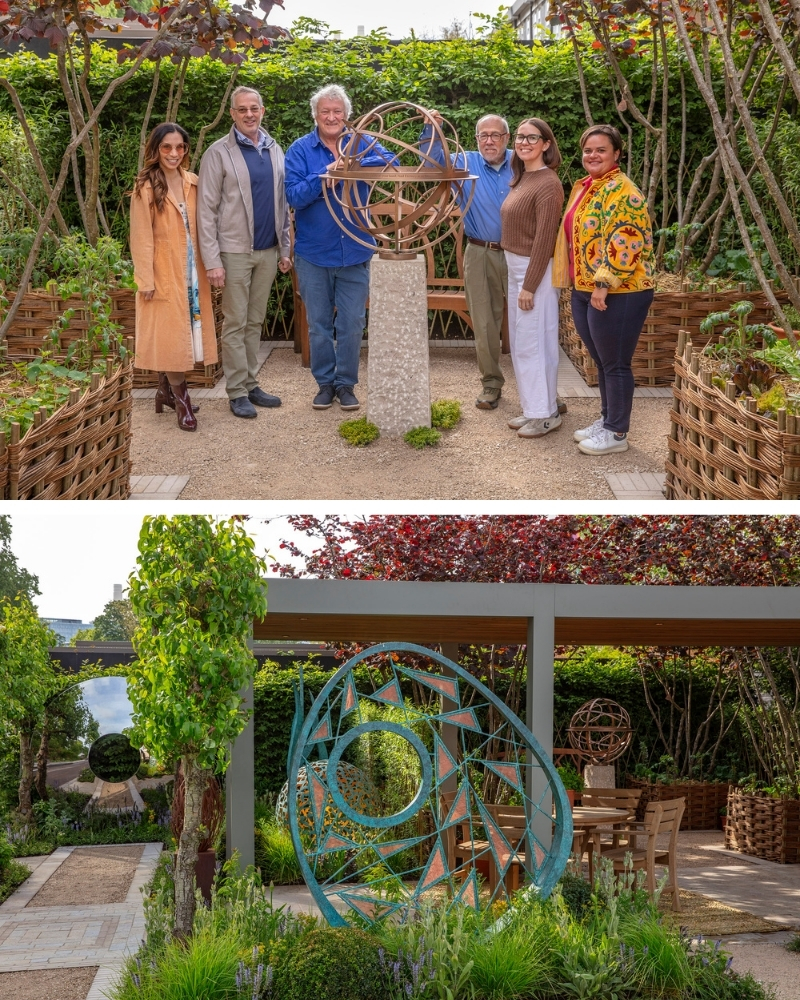
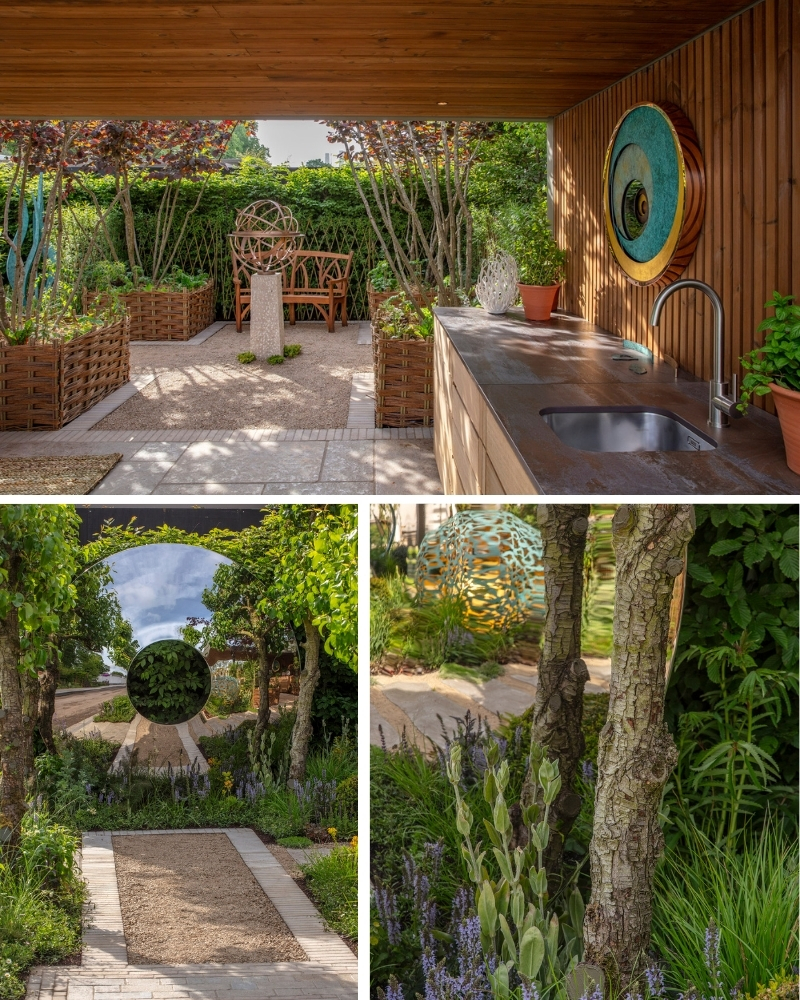
Photos: Clive Nichols
